
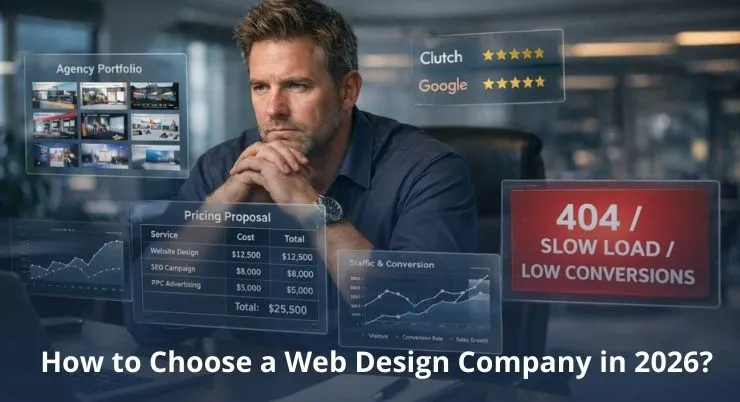
If you’re running a U.S. business and planning a new website, this is one decision you can’t afford to get wrong. Your website should do far more than sit online like a digital brochure. It is your lead engine, sales assistant, and brand authority. The team you hire will influence your leads, conversions, and long-term return on investment. A poor choice often leads to wasted budget, delays, and missed revenue opportunities.
Today’s customers expect fast load times, smooth mobile browsing, and messaging that makes sense instantly. They also expect trust signals and a smooth user experience. This guide gives you a clear, practical checklist so you can make the right decision with confidence. You’ll see exactly what to review, what questions to ask, and which warning signs to watch for. By the end, you’ll know how to choose a team that focuses on real results, not just visuals.
Your Website Decision in 2026 Can Make or Break Your Growth
Your website shapes first impressions and plays a major role in how many leads and sales you generate. Most buyers now research online long before they ever contact a business. When your site performs poorly, business growth usually takes a hit quickly.
Website Goals and KPIs Businesses Should Define First
Before hiring anyone, define clear website goals. “Are you focused on lead generation, online sales, or brand authority?”
Set measurable Key Performance Indicators (KPIs) such as:
- Monthly leads generated
- Conversion rate
- Cost per acquisition
- Average order value
You also need to define goals and a budget early. Your website budget should match your growth expectations. Clear goals prevent wasted time and overspending. They also help agencies build with purpose.
What to Look for Before Hiring a Web Design Company
Picking the right partner takes more than scanning a proposal or price sheet. You need proof they can deliver results for your business. A structured evaluation helps you avoid costly mistakes. It also ensures your investment supports long-term growth.
Review Agency Portfolio and Live Websites
Start with the agency portfolio. Look beyond visuals and focus on performance and usability. Open several live websites that they built. Test them on desktop and mobile devices.
Check for:
- Fast load times
- Clear navigation
- Strong calls to action
- Mobile responsiveness
Look for similar project experience within your industry. Industry experience helps them understand your audience and competitors. Ask how those websites perform today. Strong agencies track results after launch.
How to Verify an Agency’s Credibility and Client Feedback
Client reviews reveal how an agency works day to day. Read client testimonials on their website first. Then verify feedback on independent review sites. Look for Clutch reviews and Google ratings. Focus on communication, timelines, and support quality. Consistent feedback usually reflects reliable service.
Understand Their Design and Development Process
A clear design and development process prevents confusion later. Ask how they move from strategy to launch. Review their web design and development solutions carefully. Make sure website functionality supports your business goals. Confirm mobile-responsiveness and performance standards.
Smart Questions to Ask Before Hiring a Website Designer
Smart questions protect your investment. They also help you compare agencies with confidence.
Strategy, SEO, and Performance Questions
Ask how they approach SEO from the beginning. Search visibility should not be an afterthought. If you plan a business website redesign, request a migration plan. Traffic losses often happen during redesigns. Discuss web design functionality in detail.
When you choose a website designer, ask about analytics tracking. You need clear reporting after launch.
Helpful questions include:
- How do you define success?
- What KPIs do you track?
- How do you improve conversions over time?
Their responses will quickly show whether they think beyond launch day.
Ownership, Timelines, and Pricing Transparency
Clarify who owns the website, content, and code. You should always retain full ownership of your website and assets. Ask for a detailed website budget breakdown. Understand the agency pricing structure before signing. Strong website budget planning prevents surprise fees later. Request a written timeline with clear milestones.
What Happens After Launch – Support, Updates, and Future Growth
Ask what support looks like after launch. A reliable partner doesn’t disappear once the site goes live. Confirm website speed optimization and maintenance plans. Mobile-friendly websites require ongoing updates. Website usability should be tested regularly. Scalable platforms make future growth easier.
Budget, Pricing, and ROI: What US Businesses Should Expect
Understanding cost helps you plan smarter. A properly built website should produce measurable returns as your business grows. Your investment should align with your growth goals and timeline.
Average Website Pricing in the USA
- Website pricing varies based on scope and complexity: A basic small business site often costs a few thousand dollars
- Custom builds with advanced features cost more: Your website budget should reflect your long-term plans
- Ask for a clear agency pricing structure before signing: Transparent pricing prevents unexpected charges later
- Many agencies offer phased development options: This helps manage your website budget without sacrificing quality
What Affects Cost and ROI
Several factors influence both cost and return on investment. Website functionality is one of the biggest cost drivers. Custom integrations, SEO setup, and automation increase value. Strong web design and development solutions improve performance.
A business website redesign may require content migration and SEO preservation. These steps protect traffic and rankings. Better planning leads to stronger ROI. A clear strategy reduces rework and wasted spending.
Red Flags in Cheap Website Offers
Cheap packages often come with hidden issues that show up later. Poor quality can damage credibility and conversions.
When vetting web design agencies, watch for these signs:
- No clear scope or timeline
- Limited support after launch
- Generic templates with little customization
- No SEO or performance focus
Outsource, Hire In-House, or Partner With an Agency – What’s Right for You?
Every company operates with different goals and budgets. The right setup depends on cost, timelines, and long-term growth.
Outsourcing Your Website: Smart Move or Risky Choice?
Many companies consider outsourcing web development to reduce costs. It provides access to skilled teams without full-time hiring.
Benefits include:
- Lower operational expenses
- Flexible project scaling
- Faster turnaround for updates
However, communication and time zones can create challenges. You must also ensure quality control and accountability.
Who Should Handle Your Website: Agency, Freelancer, or Staff?
Freelancers work well for small updates and basic sites. They may lack resources for larger projects. An in-house team offers full control but higher costs. This option suits companies starting a web design business internally.
A web design agency provides structured processes and specialized expertise. This makes web design company selection easier for growing businesses.
When One Partner Handles Everything Works Best
A full-service partner helps with strategy, design, and ongoing growth planning. They also handle updates, analytics, and optimization. Strong web development strategies improve performance over time. They also support lead generation and automation tools.
Website Design & Development Services That Drive Real Results
A modern website should support marketing, sales, and operations. Good design by itself won’t grow a business. You need systems that turn visitors into trackable leads and sales.
What a Full-Service Partner Should Handle
Strong web design and development solutions go beyond visuals. They connect strategy, technology, and performance.
A full-service partner should manage:
- Strategy and planning
- Designing user-focused layouts
- Website functionality aligned with business goals
- SEO structure and analytics setup
- Conversion-focused development
Conversion-focused development means building pages that drive action. This includes clear calls to action and optimized lead forms.
Your website should also support automation and CRM integration. This helps you respond to every inquiry instead of letting potential customers slip away. The right partner builds with long-term growth in mind.
Quick Checklist for Vetting Web Design Agencies
Criteria | What to Look For | Red Flag |
Portfolio quality | Live high-performing sites | Only templates |
Client reviews | Verified US clients | No reviews |
Website speed | Fast & mobile-ready | Slow load |
| SEO structure | Built-in optimization | No SEO |
| Process clarity | Clear timeline | Vague scope |
| Pricing | Transparent proposal | Hidden fees |
This checklist helps you compare agencies using real performance indicators. Use it during discovery calls and proposal reviews.
FAQs
What makes a good web design?
Strong web design keeps things simple and always puts the user first. It guides visitors toward a specific action. Strong design supports business goals and conversions. It also loads quickly and works on all devices.
Key elements include:
- Clear navigation
- Mobile responsiveness
- Fast website speed
- Strong calls to action
- Consistent branding
Good design balances visuals with performance and usability.
Which five core principles create an effective website design?
The 5 basic principles are:
- Simplicity
- Consistency
- Visual hierarchy
- Mobile responsiveness
- Speed and performance
These principles improve usability and conversions.
How can you tell if a website is truly well designed?
A good website feels easy to use. Information is easy to find. Pages load quickly on desktop and mobile. Calls to action are clear and visible. Design supports trust and credibility.
What makes a website poorly designed?
Poor design often includes cluttered layouts and slow load times. Confusing navigation drives visitors away. Lack of mobile support hurts conversions. Missing calls to action reduce leads. Outdated visuals can damage brand perception.
Conclusion: Choosing a Web Design Company for Long-Term Growth
Selecting the right partner is one of the most important business decisions you’ll make. Your website should drive growth, not just look nice. Focus on strategy, performance, and long-term support. A strong agency builds systems that generate leads and revenue.
Use the checklists and questions from this guide. You’ll be able to move forward knowing you’re making the right choice for your business. A growth-focused website becomes a valuable business asset. It supports marketing, sales, and customer engagement.
Take the time to compare your options before making a final decision. Smart evaluation leads to better results and fewer risks.