
How to Help Your Local Business Show Up in AI Search
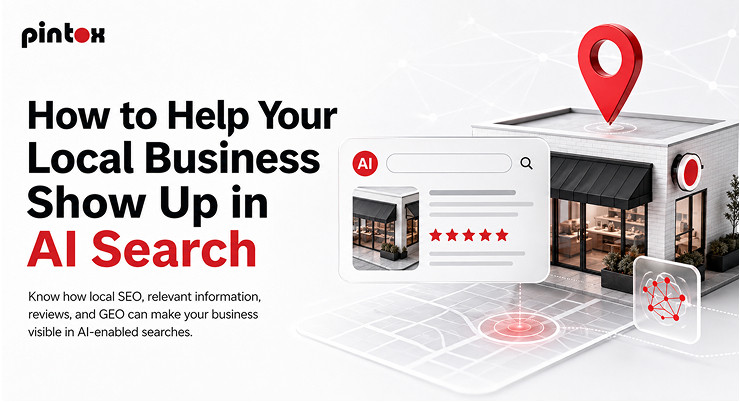
Forget algorithm tricks, ranking in AI search comes down to accuracy, local relevance, and real customer trust. Here is your ultimate strategy for combining GEO with local SEO for long-term growth.
How to Build a Lead Response System That Works After Business Hours
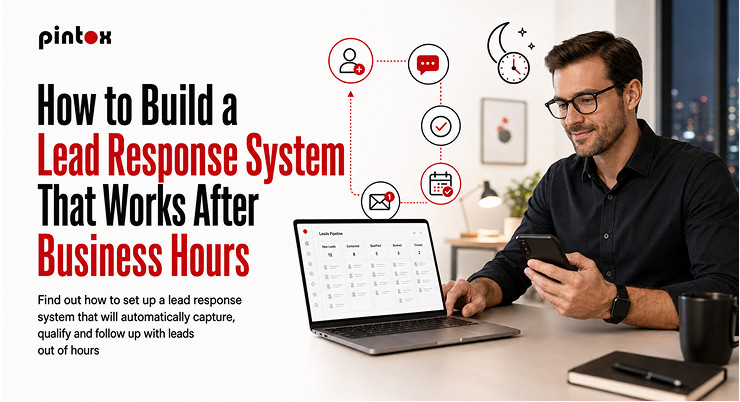
Not every incoming lead comes when you’re ready for it. A contact form could be filled in at night, your business could receive a phone call on the weekend
How AI Workflow Automation Improves Customer Experience
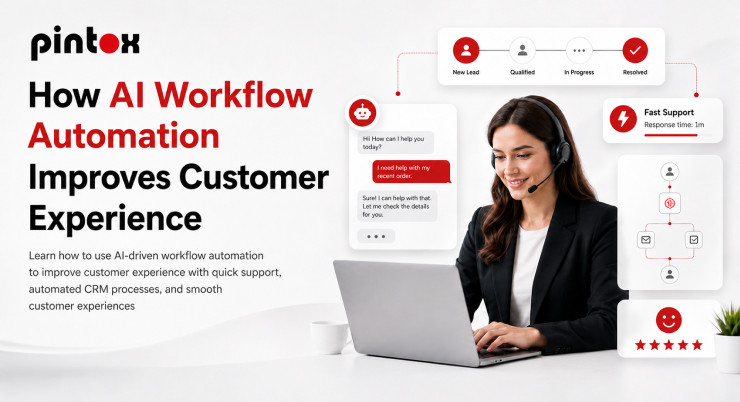
It is essential for the customers to receive a fast reply, personal treatment, and a consistent experience every time they interact with the company. But the problem with traditional processes is that there is always a delay, no follow-up, and inconsistency. Here comes the advantage of AI workflow automation. Thanks to its automation capabilities, companies are able to provide timely answers, streamline communication, and ensure consistency. Whether it is automatic lead reply, automatic appointment reminders, updating the CRM, or responding to customer support requests, AI customer experience automation allows making things easier for teams and providing a better customer experience. Currently, many companies use customer experience automation to increase response rate, improve their relationship with their clients, and provide them with reliable support using AI chatbots, AI voice agents, as well as automated CRM workflows. In this article, we will discuss how AI workflow automation impacts customer experience, what advantages it provides, and what practices should be followed when using it. What Is AI Workflow Automation? Workflow automation using artificial intelligence is the process through which a business task is automated using AI technology that makes smarter decisions depending on the information provided by the client. In comparison to the other type of automation, workflow automation using artificial intelligence adapts and improves. For instance, whenever a client provides an inquiry, the workflow software powered by AI technology automatically captures the client’s data, assigns the lead, sends a confirmation email, follows up, and updates the CRM. Thus, workflow automation saves time by offering faster and more consistent communication. Businesses have started to adopt workflow automation using AI in managing leads, customer onboarding, customer support, sales pipeline, CRM workflow automation, and appointment reminders. The main benefit of workflow automation using AI technology is that businesses are able to automate workflows without losing the human touch. As the automation technology performs repetitive tasks, employees can concentrate on building relationships with customers and providing solutions. Why Customer Experience Matters More Than Ever Customer experience is one of the main drivers of business success. The competitors can duplicate price and product strategy, but it is significantly more difficult for them to provide an experience on par with what the company provides. In the modern world, customers want fast responses, personal communication, and an effortless customer journey. It is the reason why companies develop AI-driven customer experience automation solutions, which make response and communication faster, more efficient, and provide a better customer journey. Any delays and problems with customer experience, such as a lack of response or follow-up, may influence customers’ decisions and drive them away. Automation of customer experience allows companies to provide confirmation, reminders, follow-up information, etc., automatically without involving any additional staff. Using AI automation also increases efficiency internally. Staff members get to use less time performing repetitive chores and more time adding value through customer engagement, making them more productive. It is not necessary to communicate more; what matters is to communicate better. It becomes easier to create consistency in customer experiences, which builds trust and makes customers loyal through business process automation and personalization of communication. How AI Workflow Automation Improves Customer Experience What is the main benefit of automating an AI workflow? It will optimize all the stages of the customer journey while not adding any extra workload to your employees’ shoulders. Rather than approaching workflow automation through various stand-alone solutions, businesses that understand the true power of AI integrate all these tools in the form of connected workflows, which will facilitate the process of communication, starting with the first inquiry and ending with post-sale customer service. One of the first benefits that your clients may feel is the increase in speed. When working manually, unnecessary delays occur as employees have to read emails, allocate tasks, update spreadsheets, schedule reminders, etc. This process may result in the loss of your potential customer’s attention or his/her interest in choosing another business. Through the process of intelligent workflow automation, all these routine actions take place instantly. Inquiries get automatically captured, customer data gets added to your CRM system, tasks get allocated to the right departments, and customers get confirmation right away. Moreover, automation can help you engage customers and make personal interactions happen. There is no need for generic email campaigns. Instead, the system will analyze your customers and send a message to them depending on their activity, preferences, purchase history, or inquiry history. It means that returning customers and new visitors get different communications. CRM workflow automation is another huge advantage for businesses. You do not have to worry about customer interaction records because every contact will be stored automatically. It means that the marketing, sales, and support teams will have the same information regarding customer contacts. Lead nurturing can be automated as well. It will keep your leads active without additional efforts. When people download any guides, make requests for quotes, book consultations, etc., they will get a series of personalized communications (via email, SMS, educational material) until the decision-making moment. The support team also experiences positive changes because all incoming requests are automatically routed using intelligent task routing and automatic ticket assignments. People get connected to the right specialist immediately. Consistency in communications via multiple touchpoints is achieved as well. No matter whether customers reach out to your business via your website, emails, social networks, texts, or phone calls, automation helps establish omnichannel communications, meaning that all communications will remain consistent. In the end, workflow automation based on artificial intelligence gives you an opportunity to offer a degree of responsiveness and personalized treatment which would otherwise be hard to accomplish without AI. Your clients get quicker responses and better communication overall, while your employees have enough time to offer top-notch customer service. This approach ensures higher customer retention and trust. Faster Response Times Mean Happier Customers Immediate responses are important, and any delays might lead to losses of significant value for businesses. The key benefit of using AI workflow automation is that the process allows you to
How to Turn Social Media Followers Into Customers
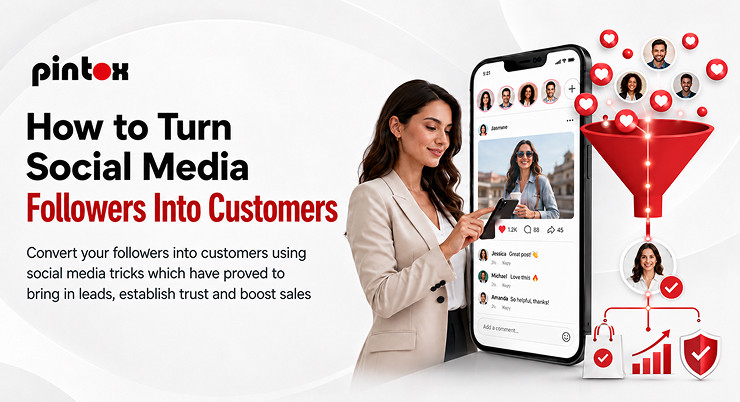
All companies want to have many followers on social media. A larger audience sounds good and can help to grow visibility and create opportunities
How to Fix Keyword Cannibalization to Improve Your SEO Strategy
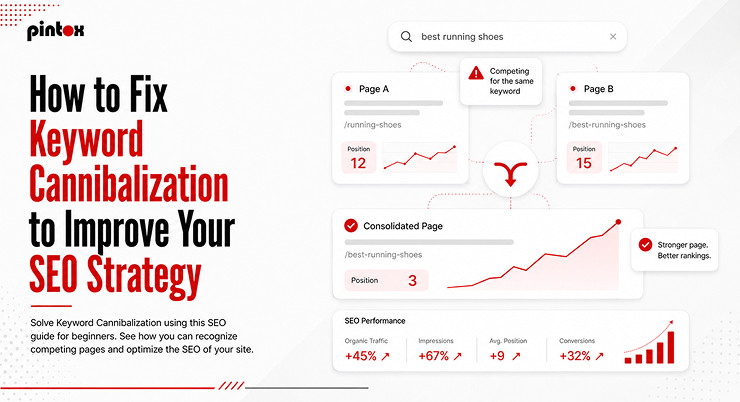
When you’ve dedicated time to creating high-quality content and yet your ranks continue being unpredictable, then keyword cannibalization
Welcome Email Sequences That Convert
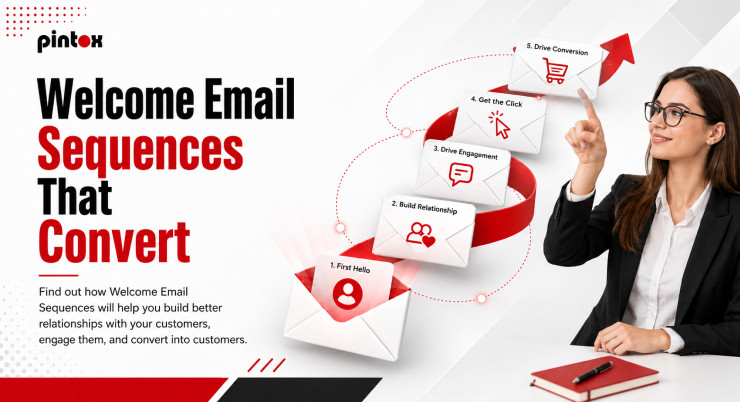
When a person subscribes to your newsletter, downloads a guide, fills out a contact form, or subscribes to your service, that person is paying attention to you.
PPC vs SEO: Which Should You Invest In?
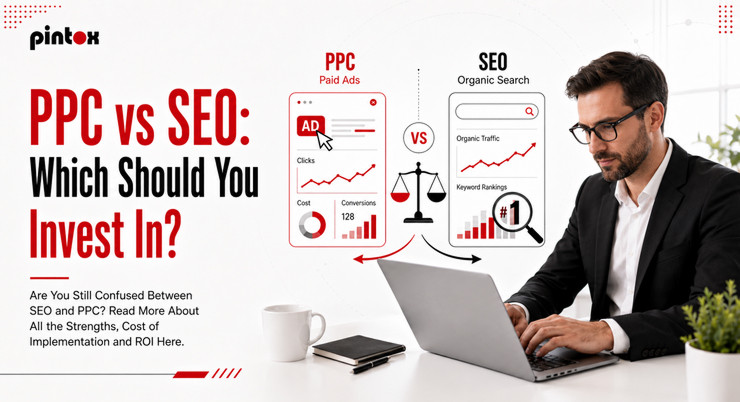
Any company aims to boost its visibility, attract more clients, and generate sales. However, it can be hard to choose where to allocate marketing budget funds. There are two highly effective methods for increasing website traffic by attracting clients online – pay-per-click advertising (PPC) and search engine optimization (SEO). This is exactly why the PPC vs SEO discussion stays relevant and one of the most popular questions for business owners and marketers who try to promote their services and products and make sure that they attract more clients through websites and social media pages. It is important to note that there is no universally true answer, as each method is good for certain purposes. It is also important to understand what kind of results a company needs right now and in the future. That is why in this article, we will discuss SEO vs PPC and show the difference between them and how these strategies work. If you are not sure what is better, PPC or SEO marketing, keep reading this article. What Is the Difference Between PPC and SEO? Before discussing the PPC vs SEO comparison, it’s necessary to consider how both methods can attract visitors to your website. What Is SEO? SEO stands for search engine optimization – the process of optimization that makes it possible to improve the visibility of your website in the organic search results. Unlike PPC, you don’t have to pay each time someone visits your website. The SEO technique includes the improvement of your site’s relevance and authority through the use of good content, keyword research, Technical SEO, website changes, and an effective SEO marketing strategy. It allows search engines to learn more about your website and provide useful information for users. As a result, search engine rankings, organic traffic, and leads increase. For instance, when people search for “best plumber near me” phrase, those companies with an effective Local SEO Strategy will appear on the top positions in organic search results without paying for each click. What Is PPC? Pay Per Click advertising gives firms the opportunity to place their advertisements on top of search engine results. Each time an individual clicks on your advertisement, he pays some money for the click. Google Adwords is the most prevalent form of PPC advertising. In this type of advertising, the advertiser bids on certain keywords related to his business. The difference between PPC and SEO is that visibility is immediate in PPC, meaning that your advertisement starts pulling traffic into your site as soon as the campaign kicks off. The success of a PPC campaign requires: Choosing appropriate keywords Handling keyword bidding Cost per click (CPC) monitoring Improving the CTR of your advertisement Optimizing your ad copy Landing page optimization Determining the conversion rate The performance of your campaigns determines the efficiency of your lead generation. PPC vs SEO: A Quick Comparison In terms of comparing PPC to SEO, most individuals consider one of them to be definitely superior to the other. In actual fact, both approaches address completely different business challenges. SEO PPC Gains organic traffic Gains paid traffic The results come progressively The results come instantly Doesn’t pay per click Pays for each click Good SEO strategy in the long run Great for quick promotions Keeps bringing traffic forever The traffic stops once the ads stop In addition, this table illustrates why there is a heated debate about paid search vs organic search. How SEO Helps Businesses Grow One of the greatest things about SEO is that it keeps doing its job even long after you publish your content. Proper search marketing campaign includes such important aspects as producing valuable content, optimizing a business website, and gaining trust from both users and search engines. The major SEO benefits include: 1. Sustainable Organic Traffic Unlike PPC campaigns that make you pay per visitor, SEO will bring visitors to your website naturally through the search engines. The more you rank, the more sustainable traffic your site will have. 2. Higher Brand Credibility Many users tend to trust those websites which appear in the organic results and not advertisements. Being able to rank highly for competitive keywords means that you increase brand visibility and gain authority in your industry. 3. Higher Long-Term ROI Though it takes some time to implement SEO, the results it produces are great because once your content becomes useful for the visitors, they keep visiting your site for many months or even years. Single high-quality piece of content might attract thousands of visitors without any additional spending on the promotion. 4. More Customer Satisfaction Not all that is involved in SEO is keyword analysis. The new optimization process involves: Page speed improvements A mobile responsive design Improved website navigation Website optimization Content Calls to action These will help visitors locate what they need easily, resulting in more engagement and conversion. 5. Provides Help through the Entire Funnel Process Customers receive support from SEO at every stage of the funnel. Someone searching for content related to education may come across your site when they have not made up their mind about making a purchase. Your content helps build their confidence until they decide to become a customer. Thus, SEO is a great lead generation strategy. How PPC Delivers Faster Results Whereas SEO is a strategy that requires patience, PPC emphasizes speed. In cases where you require leads within a week rather than half a year, PPC advertising could be more suitable. Your advertisement will show up before those who have an interest in what you have to offer. Instant Exposure Instant visibility is one of the key advantages offered by PPC. Rather than waiting to get better in terms of rankings, you can be displayed at the top of Google within hours. Some of the instances when
How to Write Service Pages That Convert
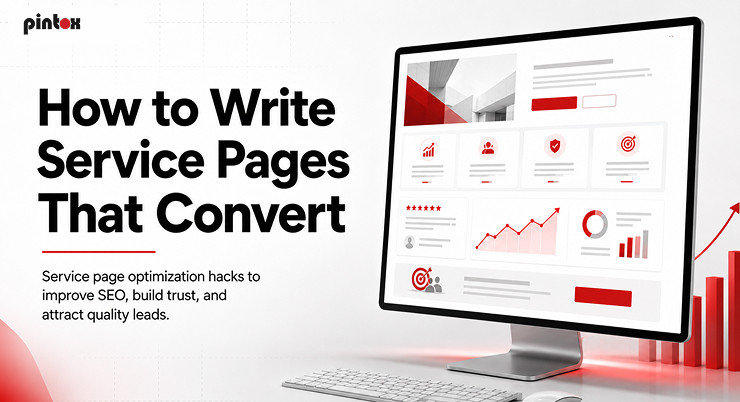
The service page can be seen as one of the key factors in making prospects choose your business over others, since it’s usually the very first thing…
How Dentists Can Automate Patient Communication with GoHighLevel
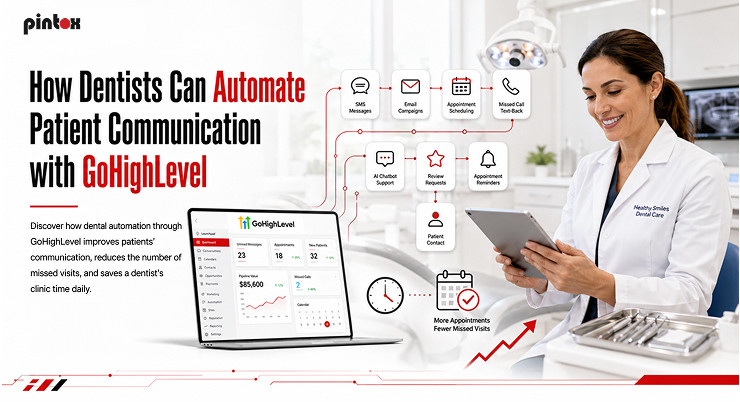
Proper management of a dental clinic demands much more than just excellent services to the patients. Everyday work of a dentist involves many phone calls
10 Repetitive Business Tasks You Should Automate Today
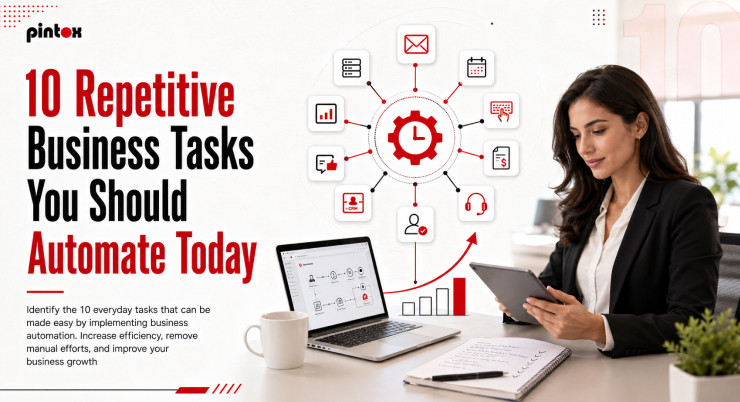
Automated business processes refer to the use of technology to perform routine tasks without any manual effort. Rather than having to repeat these tasks daily,
How Digital Marketing and Automation Work Together to Grow Your Business
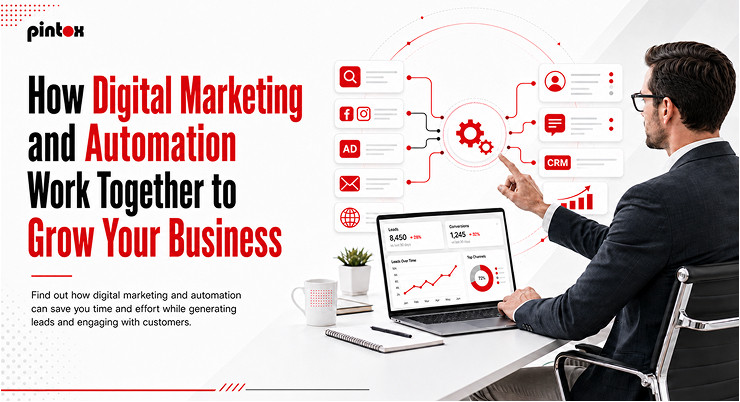
Being a successful business person in today’s competitive environment requires more than merely having a website or updating it on social media.
Why GoHighLevel Mistakes Lead to Poor Business Results
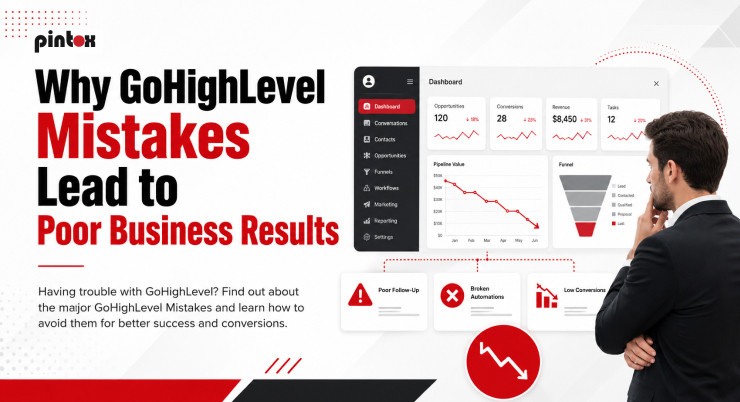
Companies normally make a considerable investment in good software, believing that it will bring them outstanding results. They hope for more leads
How GoHighLevel CRM Helps Businesses Close More Sales?
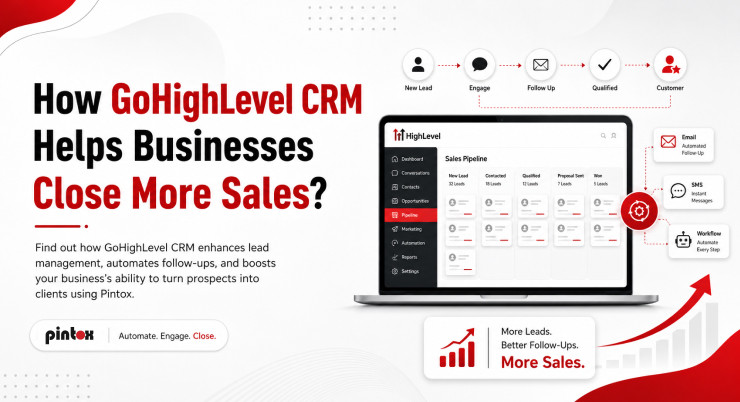
It is no secret that in the modern market conditions, lead generation is not the end goal for businesses. The problem lies in converting these leads
2026 Trends in SEO: What Still Works (and What Doesn’t)
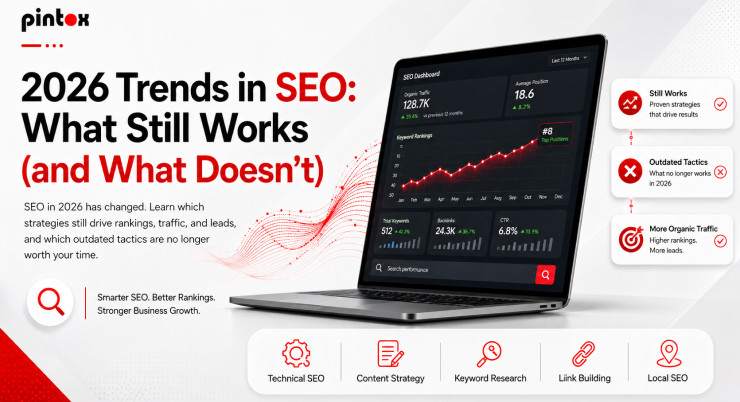
The search engine optimization process has never been a static one. There have been technological changes, alterations in user behavior, and changes in search engine
How Home Service Businesses Can Generate More Leads Without Increasing Ad Spend
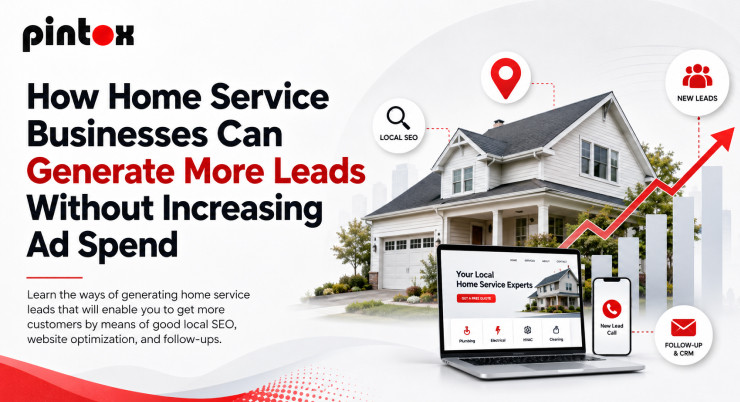
More leads do not necessarily mean spending a bigger amount of money on advertisements. Home services businesses think that whenever their inquiries fall
Why Your Website Isn’t Converting Visitors Into Customers
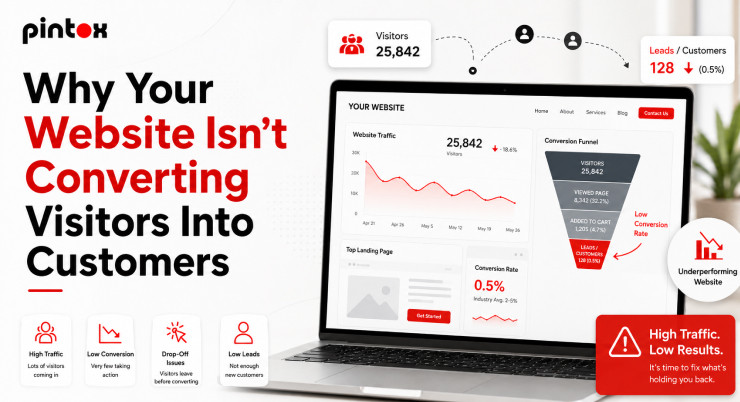
The process of attracting people to your website doesn’t stop there. Things get much harder when they finally come to visit your website.
Website Speed and Revenue: The Connection Most Businesses Ignore
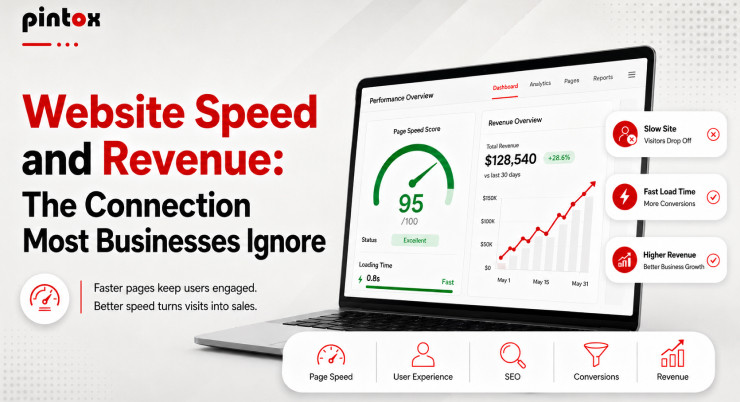
Business owners focus on marketing and advertising and put significant effort into acquiring customers. They dedicate their time to developing products,
How Automated Review Requests Improve Local SEO Rankings
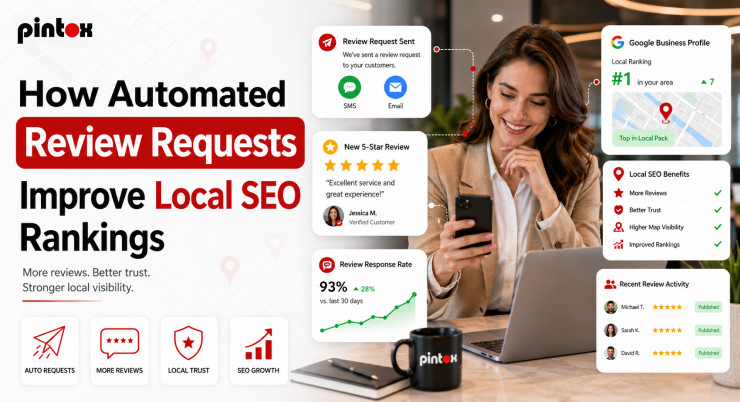
With the increasingly competitive digital environment, organizations today are always searching for different means through which they can enhance
The Real Difference Between Marketing Automation and Email Marketing
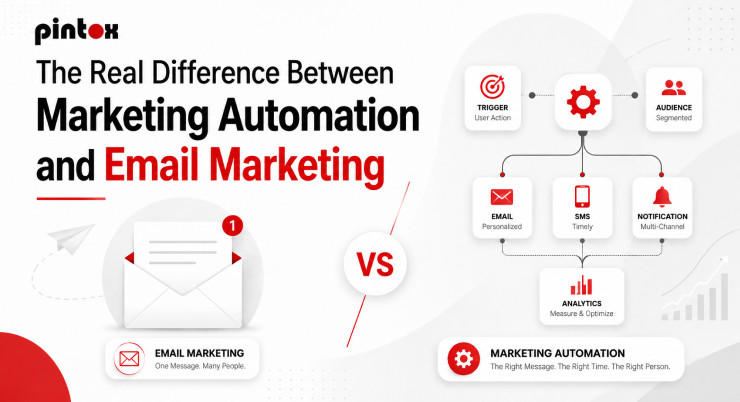
With so many ways to engage the audience, businesses in the digital world are forever on the hunt for new methods to generate leads and retain customers. However, one thing is bound to leave even the most experienced business owners and marketers perplexed – marketing automation vs email marketing. Even though these two concepts are often used as synonyms, they perform entirely different functions. The knowledge of the key difference may prove useful to any business that aims at making its customer communication more effective and streamlining its growth process. In this guide, we will walk you through marketing automation and email marketing, explaining the difference, mechanisms, overlapping areas, and the most suitable option for your business. What Is Email Marketing? Email marketing is one of the oldest and most successful forms of online marketing that exists today. Email marketing is the process of sending emails to your leads, prospects, or customers to spread useful information and increase sales. The common uses of email marketing campaigns include: Sending out newsletters Offering promotions Informing about new products/services Sharing company news Educating customers Reaching out to dormant users Email marketing is all about communicating through one channel – email. The main purpose of email marketing is to inform people and to make them take some specific actions, like buying something, scheduling an appointment, or just visiting your website. Today’s email marketing systems are far more developed than they used to be. One can design targeted email campaigns and track their success with conversion tracking and campaign analysis tools. However, it is still only one part of customer communications. What Is Marketing Automation? To understand the difference between marketing automation vs email marketing, it is imperative to first have an understanding of what marketing automation entails. Marketing automation involves the use of technology for automating marketing functions on several channels and at several customer interaction touchpoints. Instead of manually sending out communications or monitoring customers’ actions, a business uses marketing automation software for managing all interactions automatically. Some of the things involved in an effective marketing automation plan may include: Email communication SMS marketing Automation of lead nurturing Automation of customer journeys Social media interaction Automated follow-up for customers CRM updates Lead scoring Notifications to sales team members Customer retention initiatives Artificial intelligence-based communication Instead of being focused only on sending out communication, marketing automation plans aim at guiding the customer along his/her journey through the entire customer life cycle. Marketing Automation vs Email Marketing: The Core Difference One simple difference between marketing automation vs email marketing is that: Email marketing is a communication medium. Marketing automation is a process that manages customer engagement in multiple communication mediums. Email marketing communicates. Marketing automation determines when and how to communicate based on customer engagement. For example, the business can distribute a newsletter via email marketing on a monthly basis. However, using marketing automation, the business can communicate with customers based on their actions, such as sending them an email if they download a guide, following it up with a text if they do not respond, alerting the sales representative about increased engagement, and continuing to nurture the lead using automated processes. In other words, email marketing is an element of the overall marketing automation process. How Email Marketing Works Email marketing campaigns traditionally are based on scheduling. Companies develop an email message, choose recipients, and distribute it. Some services provide automatic email marketing features like: Welcome emails Birthday emails Promotional series Drip email campaigns Onboarding series Abandoned shopping cart emails Such email processes make campaigns more efficient and engaging but they stay focused on email only. The most advanced email sequences are still concentrated on communicating with customers. How Marketing Automation Works Marketing automation is not limited to emails. Rather than just sending out messages, it reacts to customers’ activities in real-time. Here is how that works: A customer downloads an e-guide from your website. The system then performs the following actions automatically: The contact is added to the CRM The system assigns lead scores It sends out a personalized email Follow-ups are scheduled automatically It sends out a text message reminder If there is an increase in engagement, it notifies the sales team The system moves the lead through pre-designed marketing workflows All of these actions are performed through workflow automation and behavioral triggers. The Role of Customer Data A key point that differentiates marketing automation from email marketing is the utilization of customer data. The contact details and basic activity information, like the number of times they open or click on an email, are stored in the email marketing systems. In contrast, marketing automation tools go beyond these. They monitor: Number of website visits Forms filled in by customers Purchasing pattern Activity with content Communication patterns Preference settings Sales interactions Through customer segmentation and customer lifecycle marketing, organizations are able to give a very personalized experience to every individual prospect. CRM and Marketing Automation: Why Integration Matters Modern organizations accumulate a lot of data about their clients. The processing of such data manually will be too difficult. Here is when the cooperation of CRM and marketing automation comes into play. CRM accumulates all client data, as well as sales activities and histories of interactions. Marketing automation makes use of it in order to make appropriate messages automated. With the help of CRM integration, the organization receives an opportunity to see the whole picture concerning every customer and to start automatic actions when necessary. For instance, if the client asks for a price list, then the software will automatically start the appropriate communication sequence for him/her. Which Approach Generates Better Results? In comparing marketing automation vs. email marketing, many business owners are curious about which one will deliver better results. It depends on what you want to achieve. Email marketing can be very successful in the case of: Newsletters Product announcement Promotion campaigns Customer notifications Education Email marketing alone will work well for those businesses whose communication needs are not complex. Marketing
The Local Business Automation Stack for 2026
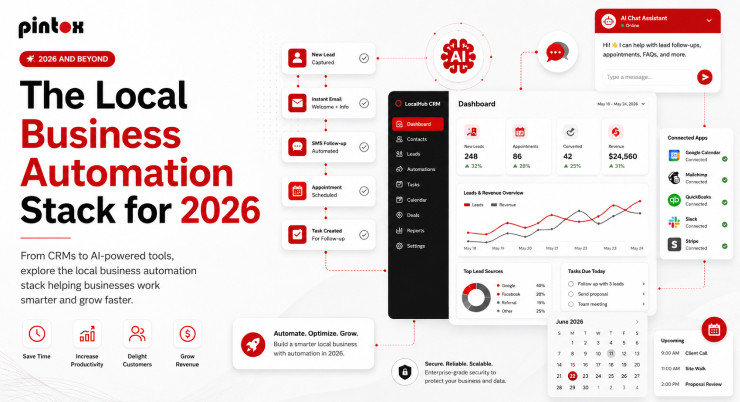
Small businesses today have to encounter numerous challenges while running their businesses. They are expected to respond promptly..
HVAC Leads: Why HVAC Companies Miss So Many Opportunities?

The process of generating HVAC leads is not the biggest obstacle for most HVAC businesses out there. The biggest problem for them begins when their leads start coming.
How AI Voice Agents Are Replacing Missed Calls in Service Businesses
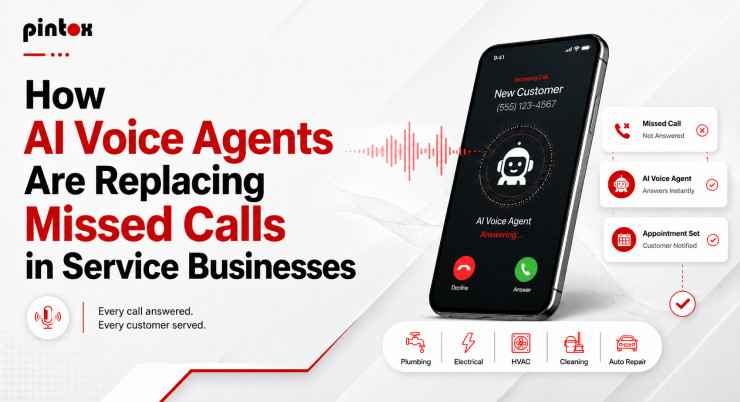
For any business based on services, every incoming phone call counts. Just one missed call can translate to lost opportunities for closing…
WHY MARKETING AUTOMATION FAILS (And How to Fix It)
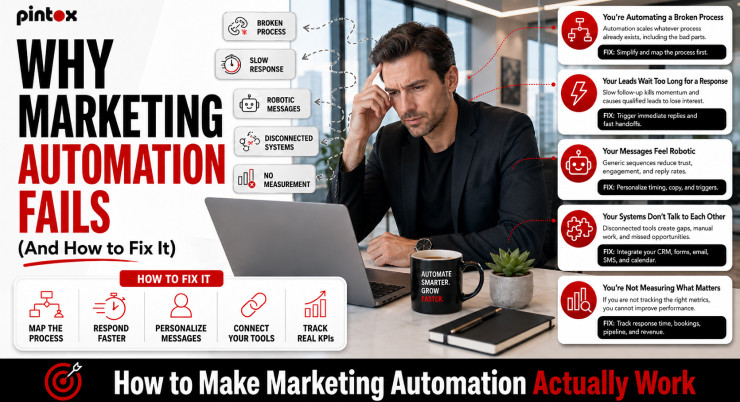
It’s a common problem many business owners encounter after purchasing automation software, thinking that this solution
Appointment No-Shows: How MedSpas Can Reduce Missed Appointments

Your staff gets ready for their work, your schedule has already been set in stone, your product allocations have been done, and now your precious
Sales Pipeline Management: How to Find the Biggest Bottleneck in Your Sales Process
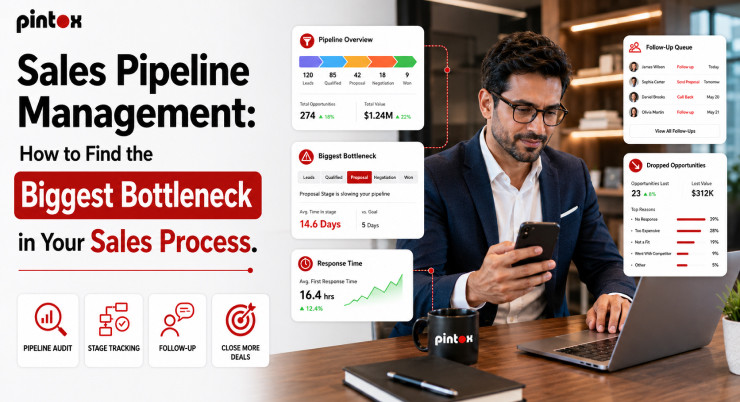
Most businesses do not have a problem with the number of leads. They have a process problem.
Google Business Profile Optimization: Does It Matter More Than a Website?
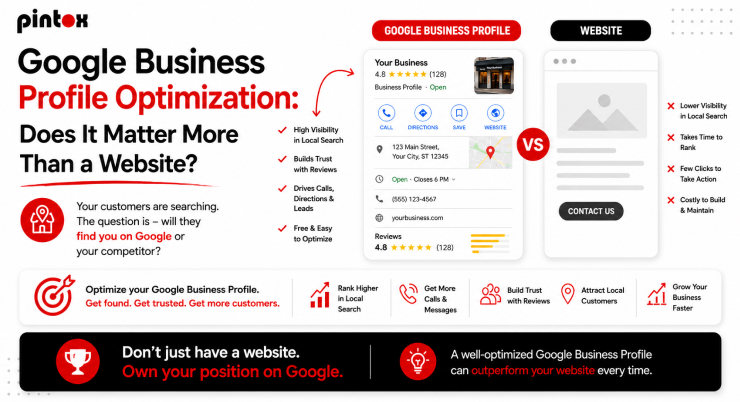
Is Google Business Profile Optimization more important than a website? Discover how both work together to attract local customers.
Local SEO for Multiple Locations: How to Build a Strategy for Multiple Cities
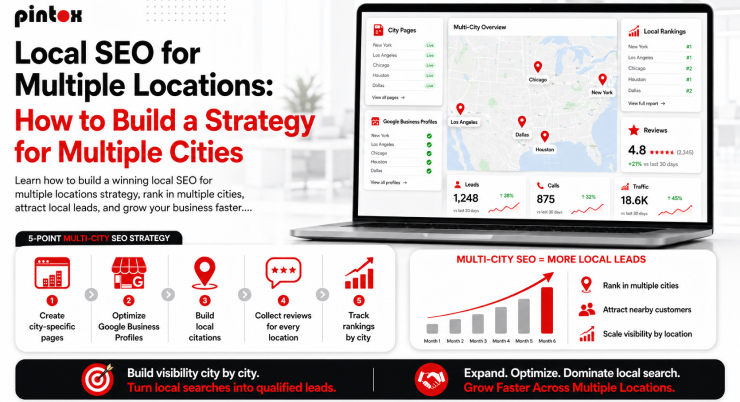
Learn how to build a winning local SEO for multiple locations strategy, rank in multiple cities, attract local leads, and grow your business faster.
Contact Form Design Tips: Why Website Visitors Are Not Filling Out Your Form?
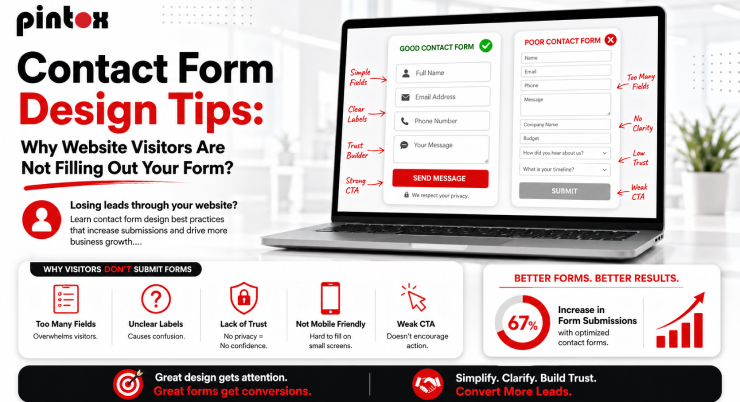
Losing leads through your website? Learn contact form design best practices that increase submissions and drive more business growth.
How GHL Missed Call Text Back Helps Local Businesses Recover Lost Revenue
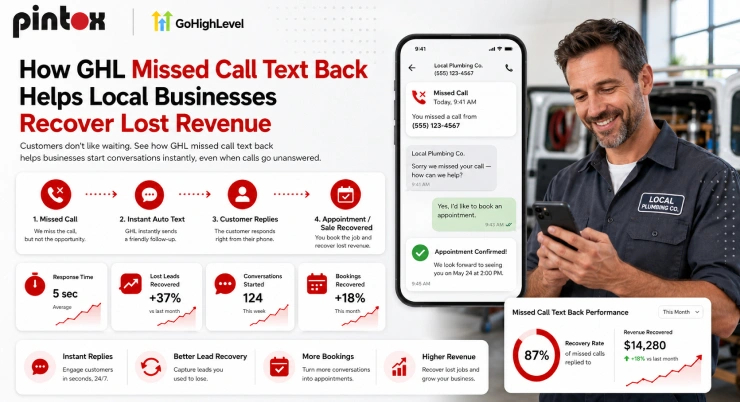
Customers don’t like waiting. See how GHL missed call text back helps businesses start conversations instantly, even when calls go unanswered.
How White Label CRM Services Create Recurring Revenue
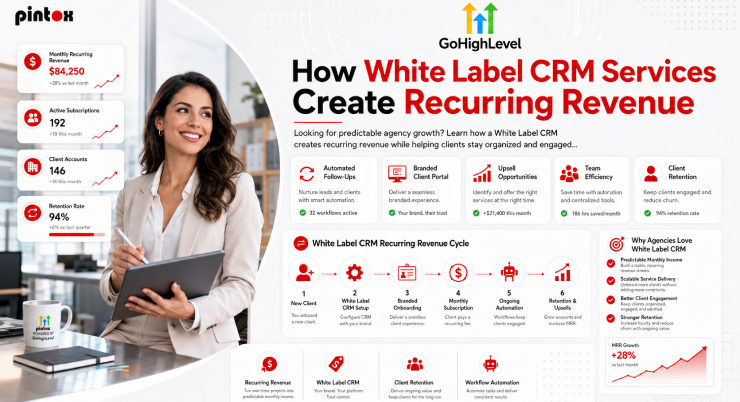
Looking for predictable agency growth? Learn how a White Label CRM creates recurring revenue while helping clients stay organized and engaged