
PPC vs SEO: Which Should You Invest In?
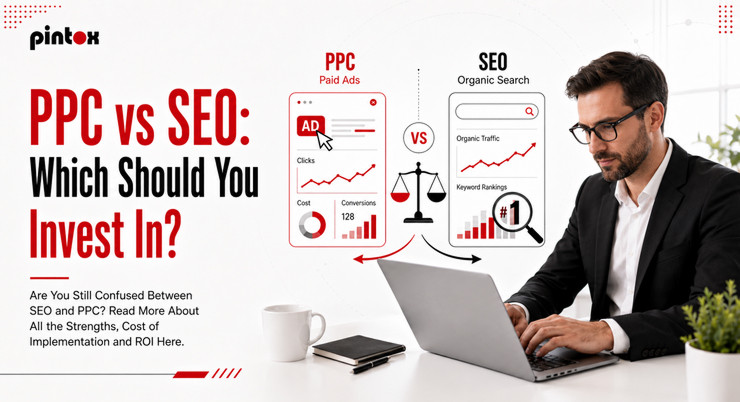
Any company aims to boost its visibility, attract more clients, and generate sales. However, it can be hard to choose where to allocate marketing budget funds. There are two highly effective methods for increasing website traffic by attracting clients online – pay-per-click advertising (PPC) and search engine optimization (SEO). This is exactly why the PPC vs SEO discussion stays relevant and one of the most popular questions for business owners and marketers who try to promote their services and products and make sure that they attract more clients through websites and social media pages. It is important to note that there is no universally true answer, as each method is good for certain purposes. It is also important to understand what kind of results a company needs right now and in the future. That is why in this article, we will discuss SEO vs PPC and show the difference between them and how these strategies work. If you are not sure what is better, PPC or SEO marketing, keep reading this article. What Is the Difference Between PPC and SEO? Before discussing the PPC vs SEO comparison, it’s necessary to consider how both methods can attract visitors to your website. What Is SEO? SEO stands for search engine optimization – the process of optimization that makes it possible to improve the visibility of your website in the organic search results. Unlike PPC, you don’t have to pay each time someone visits your website. The SEO technique includes the improvement of your site’s relevance and authority through the use of good content, keyword research, Technical SEO, website changes, and an effective SEO marketing strategy. It allows search engines to learn more about your website and provide useful information for users. As a result, search engine rankings, organic traffic, and leads increase. For instance, when people search for “best plumber near me” phrase, those companies with an effective Local SEO Strategy will appear on the top positions in organic search results without paying for each click. What Is PPC? Pay Per Click advertising gives firms the opportunity to place their advertisements on top of search engine results. Each time an individual clicks on your advertisement, he pays some money for the click. Google Adwords is the most prevalent form of PPC advertising. In this type of advertising, the advertiser bids on certain keywords related to his business. The difference between PPC and SEO is that visibility is immediate in PPC, meaning that your advertisement starts pulling traffic into your site as soon as the campaign kicks off. The success of a PPC campaign requires: Choosing appropriate keywords Handling keyword bidding Cost per click (CPC) monitoring Improving the CTR of your advertisement Optimizing your ad copy Landing page optimization Determining the conversion rate The performance of your campaigns determines the efficiency of your lead generation. PPC vs SEO: A Quick Comparison In terms of comparing PPC to SEO, most individuals consider one of them to be definitely superior to the other. In actual fact, both approaches address completely different business challenges. SEO PPC Gains organic traffic Gains paid traffic The results come progressively The results come instantly Doesn’t pay per click Pays for each click Good SEO strategy in the long run Great for quick promotions Keeps bringing traffic forever The traffic stops once the ads stop In addition, this table illustrates why there is a heated debate about paid search vs organic search. How SEO Helps Businesses Grow One of the greatest things about SEO is that it keeps doing its job even long after you publish your content. Proper search marketing campaign includes such important aspects as producing valuable content, optimizing a business website, and gaining trust from both users and search engines. The major SEO benefits include: 1. Sustainable Organic Traffic Unlike PPC campaigns that make you pay per visitor, SEO will bring visitors to your website naturally through the search engines. The more you rank, the more sustainable traffic your site will have. 2. Higher Brand Credibility Many users tend to trust those websites which appear in the organic results and not advertisements. Being able to rank highly for competitive keywords means that you increase brand visibility and gain authority in your industry. 3. Higher Long-Term ROI Though it takes some time to implement SEO, the results it produces are great because once your content becomes useful for the visitors, they keep visiting your site for many months or even years. Single high-quality piece of content might attract thousands of visitors without any additional spending on the promotion. 4. More Customer Satisfaction Not all that is involved in SEO is keyword analysis. The new optimization process involves: Page speed improvements A mobile responsive design Improved website navigation Website optimization Content Calls to action These will help visitors locate what they need easily, resulting in more engagement and conversion. 5. Provides Help through the Entire Funnel Process Customers receive support from SEO at every stage of the funnel. Someone searching for content related to education may come across your site when they have not made up their mind about making a purchase. Your content helps build their confidence until they decide to become a customer. Thus, SEO is a great lead generation strategy. How PPC Delivers Faster Results Whereas SEO is a strategy that requires patience, PPC emphasizes speed. In cases where you require leads within a week rather than half a year, PPC advertising could be more suitable. Your advertisement will show up before those who have an interest in what you have to offer. Instant Exposure Instant visibility is one of the key advantages offered by PPC. Rather than waiting to get better in terms of rankings, you can be displayed at the top of Google within hours. Some of the instances when